English
 日本語
 русский
Content
- 1 Start With the Working Envelope, Not the Catalog Page
- 2 The Four Checks That Separate Capable Suppliers from Catalog Resellers
- 3 How Custom Hydraulic Cylinder Manufacturers Handle Drawing and Tolerance Risk
- 4 Materials, Seals, and Test Data: What to Request Before You Approve a Sample
- 5 Match the Cylinder to the Duty Cycle, Not Just the Pressure
- 6 OEM/ODM Fit: The Paperwork That Predicts Delivery
- 7 A Practical Supplier Scorecard
- 8 What Good Custom Hydraulic Cylinder Manufacturers Prove Before Shipping
An equipment builder rejects a batch of custom cylinders because the rod-end thread runout is 0.08 mm over drawing. The supplier says the cylinder “works,” but the assembly line does not. That is the moment buyers learn that custom hydraulic cylinder manufacturers are not interchangeable catalog sellers. The right partner controls the drawing, the material certificate, the hone, the chrome, the test bench, and the change notice. The wrong one quotes a bore and stroke and subcontracts the rest. The practical test is not how many models a supplier lists; it is how tightly it can close the loop between your load case and a repeatable, documented cylinder.
Start With the Working Envelope, Not the Catalog Page
A custom hydraulic cylinder is defined by its working envelope: bore, stroke, rod diameter, mounting style, port position, cushioning, seal package, fluid, ambient conditions, and duty cycle. Change one item and the design chain moves. A 100 mm bore cylinder at 25 MPa produces about 19.6 tonnes of push force; the retract force is lower because the rod reduces the effective area. That difference matters when a machine relies on holding force, not just movement.
Before comparing suppliers, write down the load case and the failure consequence. A cylinder that cycles two million times in a sawmill needs different rod guidance than one that holds a load for days in a dam gate. A cylinder exposed to washdown needs different plating and seal choices than one working in a dry steel plant. The quotation should reflect those differences, not hide them behind a single “custom” price.
| Input | Why it changes the design | What to ask |
|---|---|---|
| Bore and rod diameter | Sets force, rod buckling margin, and seal selection | Is the rod diameter checked against stroke and load? |
| Mounting and pivot details | Controls side load, pin wear, and alignment tolerance | Are trunnion, clevis, and flange dimensions on the drawing? |
| Duty cycle and speed | Affects cushioning, seal heat, and rod surface finish | What cycle count and velocity were used for the seal choice? |
| Fluid and ambient conditions | Drives seal compound, paint, and corrosion protection | Is the fluid mineral oil, water-glycol, or something else? |
The Four Checks That Separate Capable Suppliers from Catalog Resellers
Most suppliers can quote a cylinder. Fewer can prove that the cylinder will repeat. The difference usually appears in four places.
- Drawing and tolerance review. A serious supplier marks up the drawing before quoting: bore tolerance, rod fit, concentricity, thread runout, port orientation, and surface finish. If the response is only a price and lead time, the engineering review has not happened.
- Machining and welding control. Honed tube quality, chrome thickness, weld procedure, stress relief, and cleaning before assembly decide whether the cylinder leaks or seizes in year two. Ask who performs these steps and how the parameters are recorded.
- Test bench and data. A proof pressure hold, external leak check, stroke test, cushion check, and final inspection record are basic. For critical units, ask for the actual chart or record, not a checkbox on a certificate.
- Change control and traceability. Revisions, heat numbers, seal batches, and serial numbers should connect the delivered cylinder to the approved drawing. Without that link, a field failure becomes a guessing game.
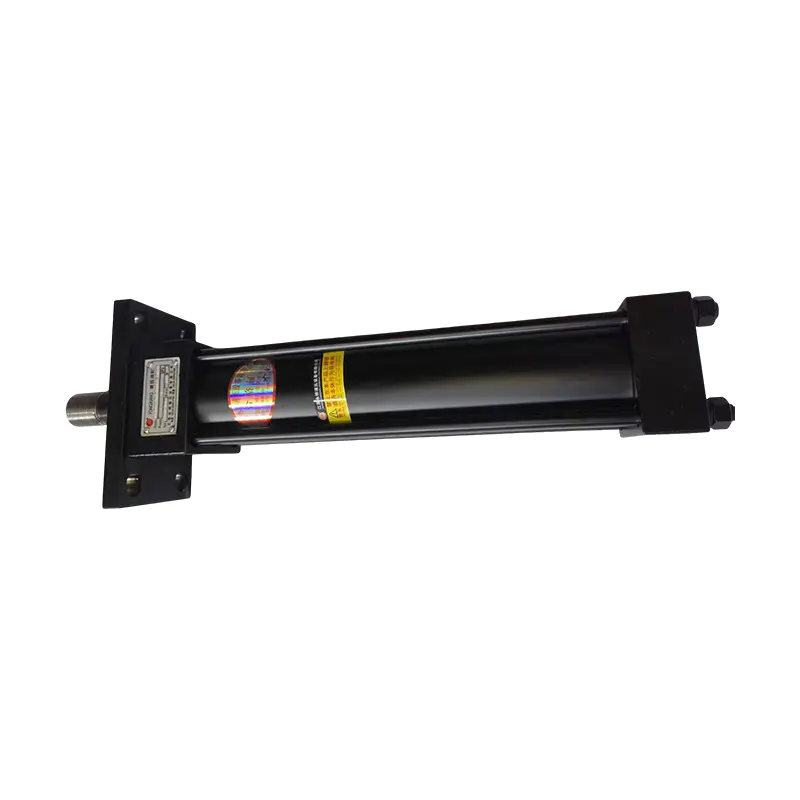
 Non-Standard Hydraulic Cylinders for OEM/ODM ProjectsCustom-engineered cylinders for non-catalog strokes, mountings, loads and environments, with drawing, load case and test plan reviewed before production.View Product →
Yongxiang’s nonstandard cylinder program is built around this review step: the drawing, the load case, and the test plan are agreed before production. That is the minimum standard for a build-to-drawing project, not a premium extra.
How Custom Hydraulic Cylinder Manufacturers Handle Drawing and Tolerance Risk
Tolerance choices are commercial choices. A 200 mm bore at H8 allows roughly 0 to +0.072 mm, while H9 opens to about 0 to +0.115 mm. The wider band can reduce honing cost, but it also changes seal squeeze and clearance. Neither choice is automatically wrong; the error is failing to state which one is on the drawing and how it will be inspected.
Rod finish is another quiet risk. A rough rod surface can tear seals, while an inconsistent chrome layer can chip or corrode. Buyers should ask for the specified surface roughness, chrome thickness range, and straightness check. The same applies to thread runout, weld neck alignment, and port position. These are not cosmetic details; they decide whether the cylinder fits the machine without forcing the pins or stressing the rod.
The chart is illustrative, not a market statistic. It shows why custom work needs more engineering hours before metal is cut. A supplier that cannot show those hours in its process is likely to discover tolerance problems at assembly, when schedule pressure is highest.
Materials, Seals, and Test Data: What to Request Before You Approve a Sample
Ask for the material chain before the sample arrives. For the tube, that means the steel grade, heat number, and honing specification. For the rod, it means the base material, induction-hardening condition if used, chrome thickness, and surface finish. For the seals, it means the compound and the fluid compatibility, not just the brand name. A material certificate to EN 10204 3.1 is useful only if it matches the heat number on the cylinder.
Testing should be proportional to risk. Many custom cylinder designs use a proof hold at 1.5 times working pressure and a burst margin of 4 times, but the applicable standard and the buyer’s risk assessment still govern. For a critical application, ask for the pressure hold record, leak check, stroke and cushion verification, and dimensional report. For a sample, photograph the rod surface, port threads, and weld toes before shipment. These records make approval faster because they answer the questions that usually arrive after installation.
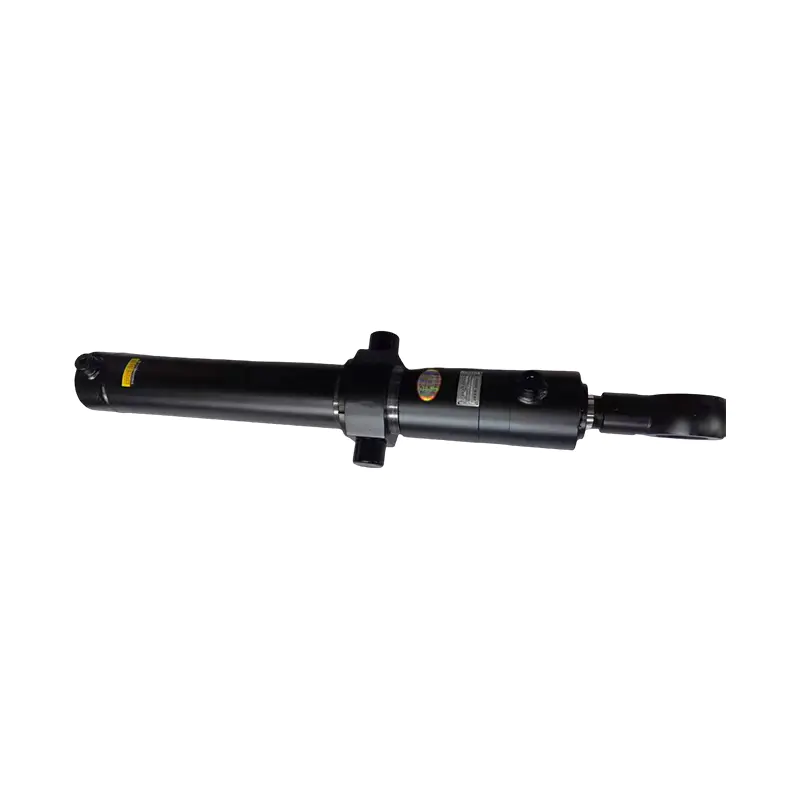
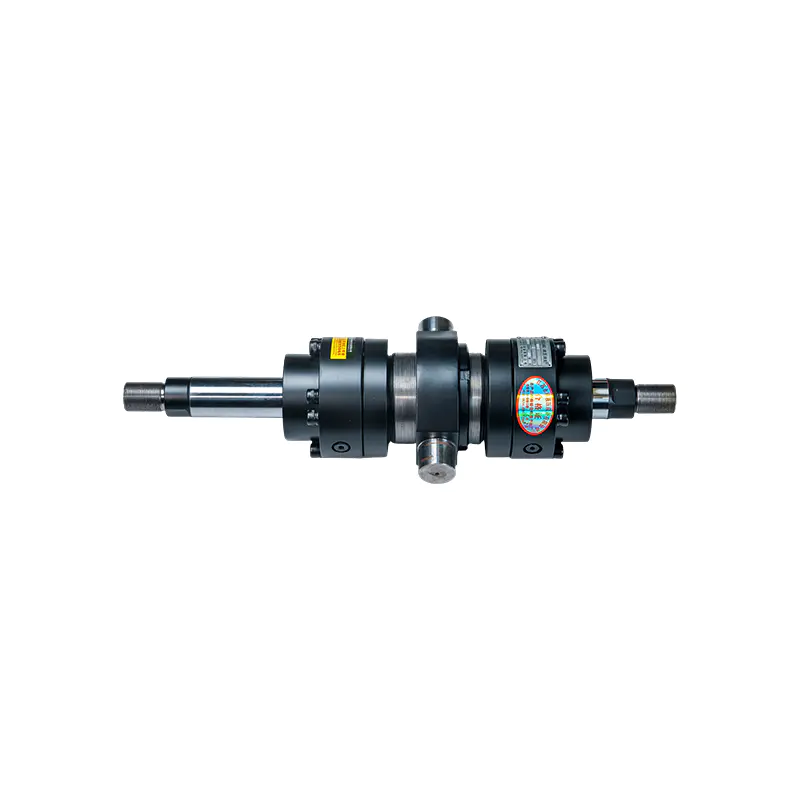
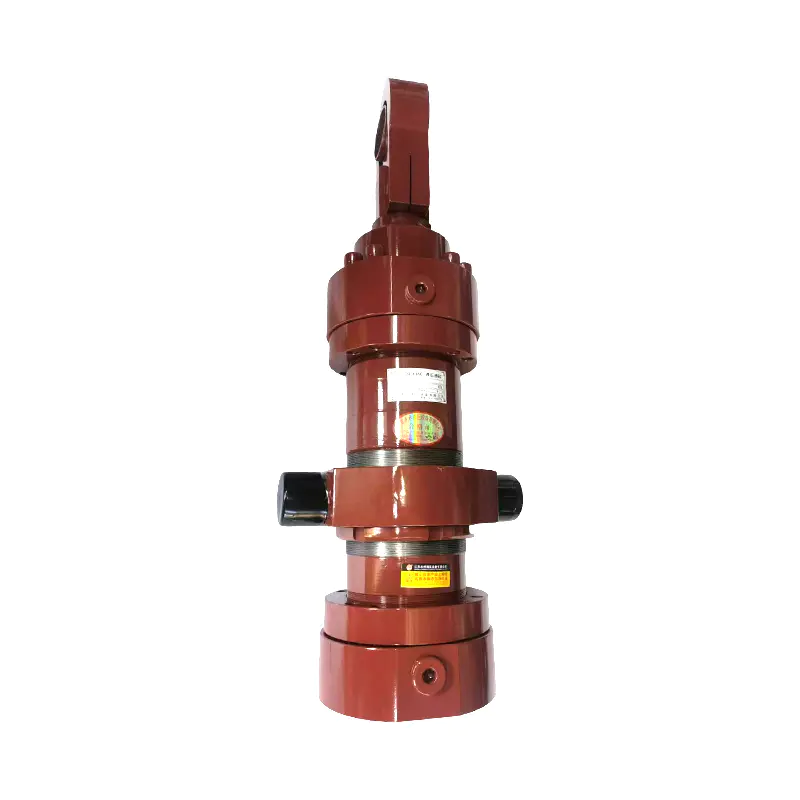 Heavy-Duty and Metallurgical Hydraulic Cylinder FamilyQuick-maintenance, high-pressure cylinder series for steel, mining and press applications, available with trunnion or intelligent integrated configurations.View Product →
Heavy-duty and metallurgical cylinders deserve extra scrutiny because shock loads and heat expose weak points quickly. The same logic applies to any custom build: define the evidence package before the first cut.
Match the Cylinder to the Duty Cycle, Not Just the Pressure
Pressure is easy to quote; duty cycle is harder. A cylinder in construction machinery may see mud, shock, and high cycle counts, while a unit in a steel mill or metallurgical plant may face heat, scale, and continuous holding loads. The seal package, rod guidance, surface protection, and cushioning should follow the application, not a generic “heavy-duty” label.
This is where a manufacturer’s application experience becomes practical. Yongxiang supports OEM and ODM work across construction, metallurgy, petroleum, marine, and industrial equipment, and builds both standard and nonstandard cylinders. That range is useful only if the supplier asks about the actual machine, the mounting interface, and the maintenance plan. A cylinder that is overbuilt for one axis can be underbuilt for another.
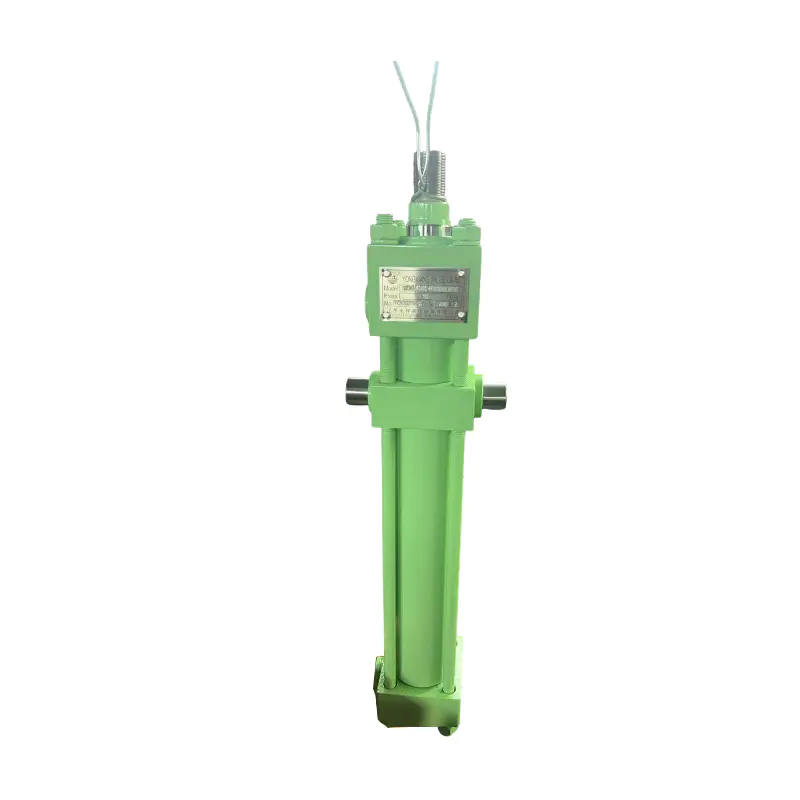
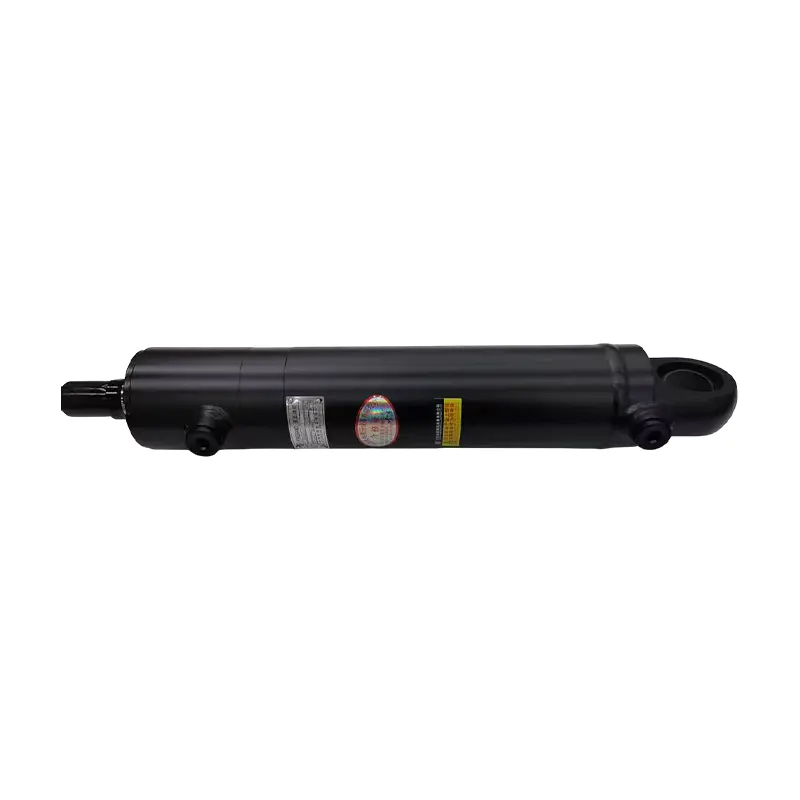 Ultra-High-Pressure Heavy Hydraulic Cylinder YX08YCD250BForged, thread-connected metallurgical cylinder rated 25 MPa and above, with adjustable cushioning, no welded components, and fire-resistant fluid compatibility.View Product →
For high-pressure or high-shock work, ask for the design margin, the weld detail, and the test pressure in writing. If the answer is “standard,” ask which standard and which revision.
OEM/ODM Fit: The Paperwork That Predicts Delivery
The fastest way to judge an OEM/ODM partner is to send a complete RFQ package. Include the 3D model and 2D drawing, load case, duty cycle, fluid, ambient temperature, mounting interface, port orientation, paint specification, and documentation requirements. A supplier that asks for these details is not slow; it is reducing the risk of a costly revision after the first article.
Change control should be agreed before production. Ask how revisions are numbered, who approves deviations, and how serial numbers link to test records. For international buyers, confirm the inspection document language, packaging protection, and warranty route. Technical support and a one-year warranty are useful, but they should be written into the scope, not left as a verbal promise.
- Approved drawing with revision number and tolerance notes
- Material and seal list with heat and batch traceability
- Test plan with acceptance criteria and record format
- Deviation and change-notice procedure
- Packaging, marking, and shipping release checklist
A Practical Supplier Scorecard
Use a scorecard to compare custom hydraulic cylinder manufacturers on evidence rather than presentation. The weights below are a starting point; adjust them to the cost of failure in your application.
| Criterion | Weight | Evidence to request |
|---|---|---|
| Drawing and tolerance review | 25% | Marked-up drawing, tolerance stack, surface finish specification |
| Material and process traceability | 20% | Material certificate, weld procedure, chrome and honing records |
| Test and inspection data | 25% | Pressure hold chart, leak check, dimensional report |
| Change control | 15% | Revision log, deviation approval route, serial record |
| Communication and support | 15% | Named technical contact, response time, warranty terms |
What Good Custom Hydraulic Cylinder Manufacturers Prove Before Shipping
Custom hydraulic cylinder manufacturers earn trust at the drawing review, not in the sales deck. If a supplier can show you the bore tolerance, the rod finish, the weld procedure, the test chart, and the revision history for a comparable cylinder, you have something to audit. If the answer is a catalog page and a promise, keep looking.
Start with one representative cylinder. Send the load case, the mounting interface, the duty cycle, and the fluid. Ask for a drawing marked with tolerances, a material and seal list, a test plan, and a change-control route. The quote that comes back will tell you more than any brochure, because it will show whether the supplier is designing a cylinder or simply pricing one.